
Expert Insights: The Future of Lean Six Sigma in Ontario
Ta
The Evolution of Lean Six Sigma
Lean Six Sigma has long been a cornerstone of process improvement, combining the methodologies of Lean and Six Sigma to enhance efficiency and quality. As Ontario's industries continue to evolve, the future of Lean Six Sigma holds promising potential for further transformation. With technological advancements and a growing emphasis on sustainability, organizations are poised to leverage these methodologies in innovative ways.
In recent years, Ontario has witnessed a significant shift in how businesses approach process improvement. The integration of digital tools and data analytics has become a crucial aspect of Lean Six Sigma, allowing for more precise and efficient results. As we look to the future, it's clear that digital transformation will play a pivotal role in shaping the landscape of Lean Six Sigma.

Embracing Digital Transformation
The integration of digital technologies is reshaping the way organizations implement Lean Six Sigma. By utilizing advanced data analytics, companies can gain deeper insights into their processes, identifying inefficiencies more quickly and accurately. This shift towards data-driven decision-making allows for more effective problem-solving and continuous improvement.
Moreover, the use of digital platforms facilitates collaboration across teams, enabling real-time communication and streamlined project management. As Ontario's businesses continue to embrace digital transformation, Lean Six Sigma practitioners must adapt by acquiring new skills and embracing innovative tools.
The Role of Sustainability
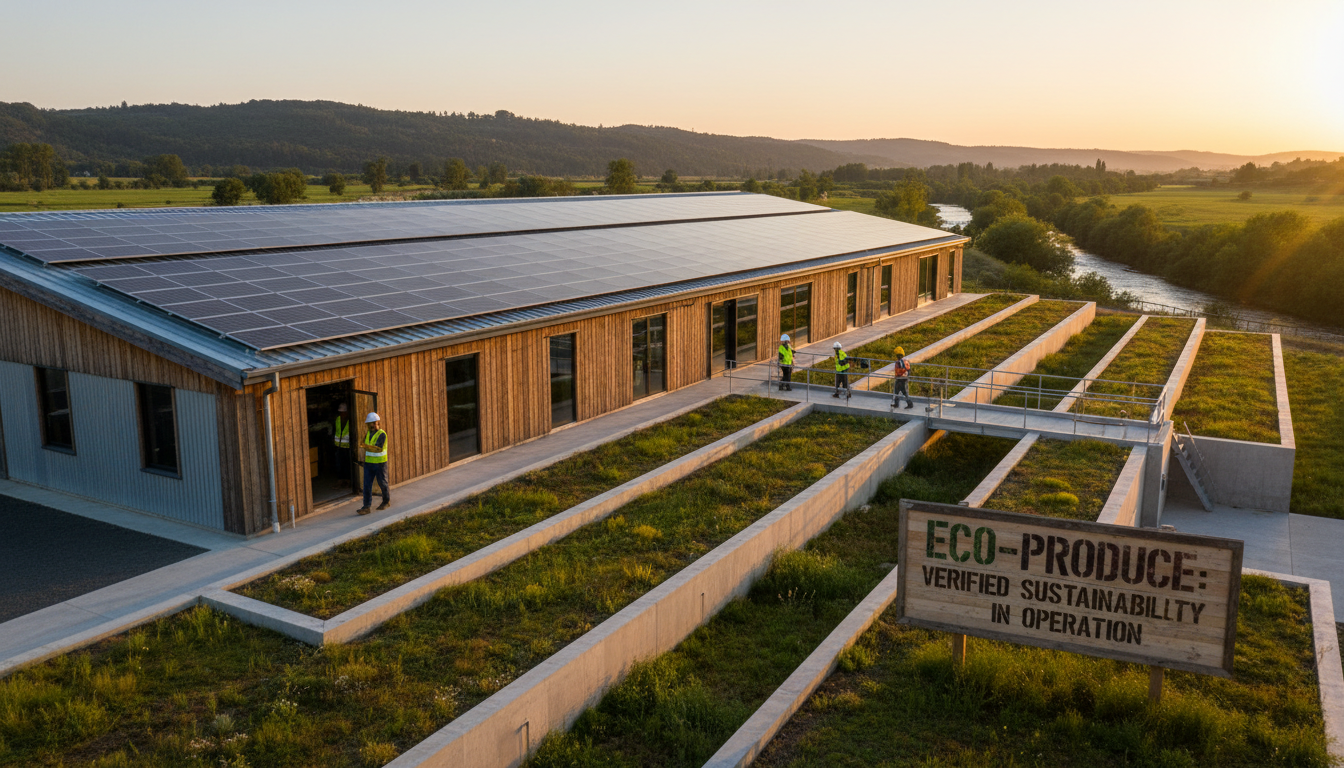
Sustainability has become a key focus for many organizations in Ontario. Lean Six Sigma offers a framework to not only improve efficiency but also reduce waste and environmental impact. By implementing sustainable practices, businesses can achieve long-term success while contributing to a healthier planet.
Organizations are increasingly adopting green initiatives, and Lean Six Sigma provides the tools to align these efforts with business objectives. From reducing energy consumption to minimizing waste, the methodologies can drive significant environmental benefits, making sustainability a core component of future Lean Six Sigma projects.
Industry-Specific Applications
Different industries in Ontario are leveraging Lean Six Sigma in unique ways. In manufacturing, the focus is often on reducing production defects and improving supply chain efficiency. In healthcare, Lean Six Sigma is used to enhance patient care and streamline administrative processes.
As the methodologies continue to evolve, we can expect more industry-specific applications to emerge. By tailoring Lean Six Sigma strategies to meet the unique needs of each sector, organizations can achieve greater success and remain competitive in a rapidly changing market.
Training and Development
The future of Lean Six Sigma in Ontario will also depend on the development of skilled practitioners. As new technologies and methodologies emerge, continuous training and professional development will be essential. Organizations must invest in building a workforce that is equipped to handle the challenges and opportunities of the future.
Educational institutions and training providers are expanding their offerings to include courses that focus on the latest trends in Lean Six Sigma. By fostering a culture of continuous learning, businesses can ensure they remain at the forefront of process improvement.

Conclusion
As we look towards the future, the potential for Lean Six Sigma in Ontario is immense. By embracing digital transformation, focusing on sustainability, and investing in training, organizations can unlock new opportunities for growth and efficiency. The evolution of Lean Six Sigma will continue to shape the business landscape, driving innovation and success across diverse industries.